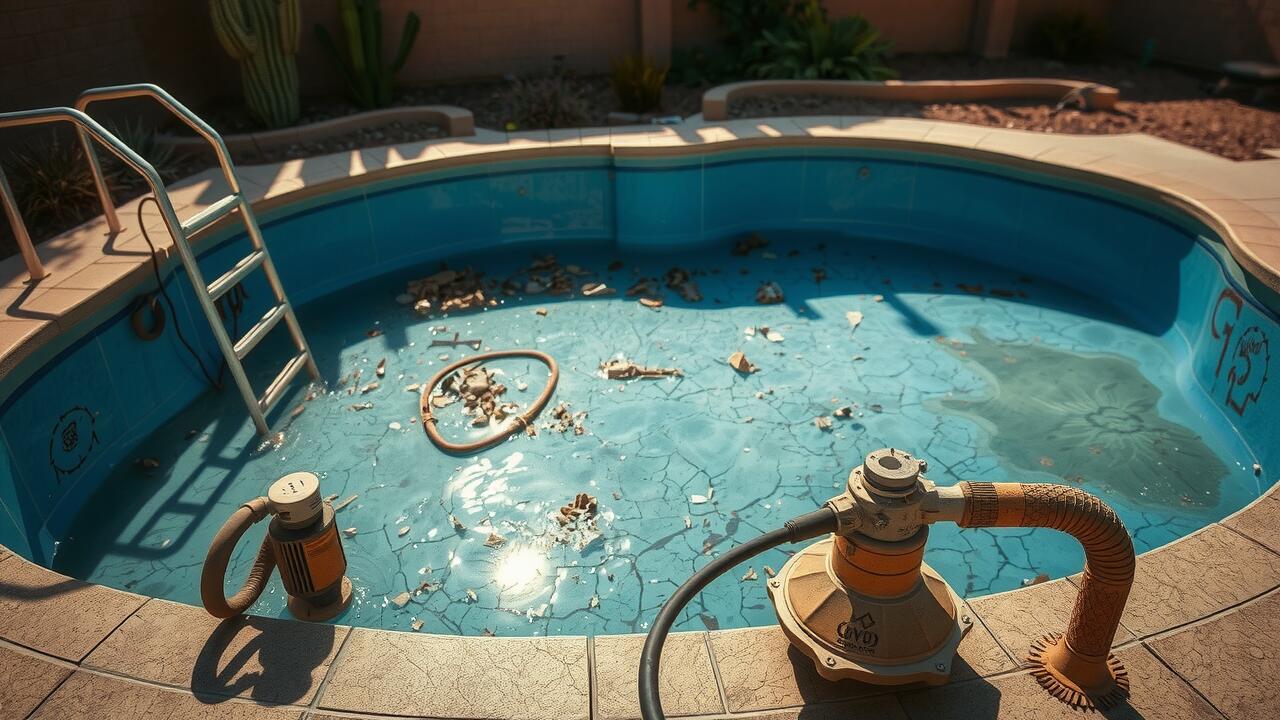
Pool Equipment Malfunction
Regular maintenance of pool equipment is essential to ensure that all systems function optimally. Malfunctioning pumps, filters, and heaters not only compromise water quality but also pose serious risks to health and safety. A broken filtration system can lead to the accumulation of debris and pathogens in the water, creating an environment conducive to illness. Additionally, faulty heating systems can result in dangerously high water temperatures, which may lead to burns or overheating for swimmers.
Furthermore, the failure of safety equipment can have dire consequences. Malfunctioning pool alarms or automatic covers may not activate when someone enters the water unexpectedly, increasing the likelihood of accidents. Regular inspections and prompt repairs are crucial in preventing these equipment failures from occurring. This approach not only protects the health of swimmers but also enhances the overall enjoyment of the pool environment.
How Equipment Failures Can Lead to Safety Issues
Malfunctioning pool equipment can create significant hazards for users. For instance, when filtration systems fail, contaminants in the water may not be effectively removed, potentially leading to harmful bacteria growth. Similarly, issues with pool heaters or pumps can result in fluctuations in water temperature, which not only affect comfort but also increase the risk of hypothermia or heat-related illnesses.
Electrical failures pose another layer of risk in poorly maintained pools. Faulty wiring or damaged lighting can lead to electrocution incidents, particularly when people are in or near the water. Regular inspection and timely maintenance of electrical systems are critical to ensure they function safely and efficiently. The failure to address these issues can put swimmers at serious risk, increasing the likelihood of accidents and injuries.
The Dangers of Slippery Surfaces
The presence of water around a pool area can create treacherous conditions. Wet surfaces are particularly hazardous, with slips and falls often resulting in serious injuries. Factors such as inadequate surface materials or improper drainage can exacerbate the risk, making it essential for pool owners to be vigilant about maintaining a safe environment. Regular inspections and prompt attention to any surface irregularities are crucial steps in preventing accidents.
Establishing clear boundaries around the pool can also enhance safety. Non-slip materials for deck surfaces can reduce the likelihood of slips, while proper signage can remind users to be cautious. Encouraging guests to wear appropriate footwear and ensuring that the area is well-lit can further mitigate risks. Creating a safer poolside space contributes to a more enjoyable experience for everyone involved.
Preventing Slips and Falls Around the Pool
Maintaining a clean and dry pool area is essential for preventing slips and falls. Regular cleaning of surfaces around the pool can eliminate algae and debris that create hazardous conditions. Additionally, using non-slip materials for walkways and surrounding decks can provide better traction for users. Installing proper drainage systems can help manage excess water, further reducing the risk of slipping.
Providing adequate lighting around the pool is another effective strategy for enhancing safety. Well-lit areas allow swimmers and guests to clearly see where they are walking, especially during evening hours. Clear signage indicating wet or slippery areas can also serve as a helpful reminder for those near the pool. Encouraging supervised swimming and setting rules for safe behavior can promote a secure environment and help reduce accidents.
Awareness of Waterborne Illnesses
Maintaining pool hygiene is essential to prevent waterborne illnesses that can thrive in improperly treated water. Pathogens such as bacteria, viruses, and parasites can easily proliferate in swimming pools if the water is not regularly sanitized. Common illnesses include gastrointestinal infections, skin rashes, and respiratory conditions, which can affect swimmers of all ages. Additionally, young children, the elderly, and individuals with weakened immune systems are particularly vulnerable to these infections.
Awareness of these health risks emphasizes the importance of routine water testing and treatment. Testing for chlorine levels, pH balance, and other contaminants can help ensure a safe swimming environment. Regularly cleaning pool filters and surfaces is also crucial in reducing the likelihood of illness. By prioritizing proper maintenance and hygiene practices, pool owners can significantly mitigate the risks associated with waterborne pathogens.
Common Illnesses Associated with Poor Pool Hygiene
Poor pool hygiene can create a breeding ground for various waterborne illnesses. Bacteria such as E. coli and Giardia are often found in improperly sanitized water, posing significant health risks to swimmers. Ingestion of contaminated water can lead to gastrointestinal infections, which may result in severe discomfort, diarrhea, and vomiting. Additionally, chlorine-resistant pathogens like Cryptosporidium can thrive, further increasing the likelihood of illness among pool users.
Skin infections are also a concern in poorly maintained pools. If pool water is not adequately filtered or treated, it can harbor fungi and bacteria that may lead to infections such as athlete's foot or dermatitis. These conditions can be bothersome and may require medical treatment. Ensuring proper water quality and hygiene standards are maintained is essential for protecting swimmers from these potential health threats.
FAQS
What are the main health risks associated with a poorly maintained pool?
The main health risks include equipment malfunctions leading to safety issues, slippery surfaces causing falls, and the spread of waterborne illnesses due to poor water hygiene.
How can equipment malfunctions affect pool safety?
Equipment malfunctions, such as filter failures or broken ladders, can lead to unsafe swimming conditions, increasing the risk of accidents and injuries.
What are some common causes of slippery surfaces around pools?
Slippery surfaces can be caused by algae growth, water spills, or inadequate drainage, which can all create hazardous conditions for pool users.
What steps can be taken to prevent slips and falls around the pool?
Regularly cleaning the pool area, using non-slip surfaces, and ensuring proper drainage can help prevent slips and falls around the pool.
What are some common waterborne illnesses associated with poorly maintained pools?
Common waterborne illnesses include gastrointestinal infections, skin rashes, and respiratory infections, which can occur from exposure to contaminated pool water.